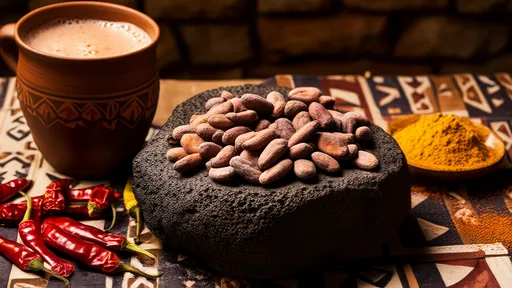
The ancient Maya civilization, renowned for its sophisticated culture and advanced knowledge, left behind a rich culinary legacy that continues to captivate modern enthusiasts. Among their most intriguing contributions is the traditional preparation of chocolate beverages, a far cry from the sweet, creamy concoctions we enjoy today. This sacred drink, crafted from roasted cacao beans, chili peppers, and cornmeal, was more than just a refreshment—it was a symbol of power, spirituality, and social connection. The meticulous process of grinding these ingredients on stone metates (grinding stones) reveals a deep understanding of flavor and texture, as well as a reverence for the natural world.
The Origins of Sacred Cacao
Long before chocolate became a global commodity, the Maya revered cacao as a divine gift. Archaeological evidence suggests that cacao was consumed as early as 600 BCE in Mesoamerica, primarily in liquid form. Unlike modern chocolate, which is often associated with sweetness, the Maya's version was a complex, spicy, and slightly bitter elixir. The beans were harvested from the cacao tree, fermented, dried, and then roasted over an open flame to intensify their flavor. This roasting process was crucial, as it unlocked the beans' rich aroma and made them easier to grind into a paste.
The addition of chili peppers was not merely for heat but for depth of flavor. Chilies were believed to have medicinal properties and were often used in ritualistic contexts. Combined with cacao, they created a drink that was both invigorating and spiritually significant. Cornmeal, another staple of the Maya diet, was incorporated to thicken the beverage and provide a subtle sweetness, balancing the bitterness of the cacao and the heat of the chilies. This trio of ingredients—roasted cacao, chili, and corn—formed the foundation of a drink that was reserved for royalty, warriors, and religious ceremonies.
The Art of Stone Grinding
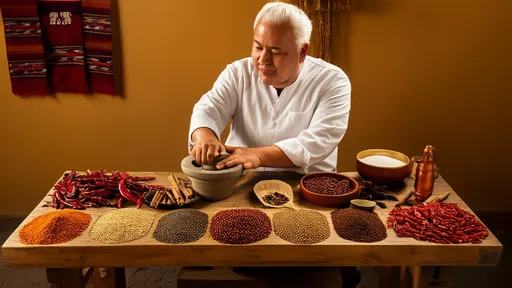
Central to the preparation of this ancient chocolate drink was the use of the metate, a flat, slightly concave stone tool, and a mano, a cylindrical grinding stone. The process was labor-intensive and required skill. The roasted cacao beans were first cracked to remove their husks, revealing the nibs inside. These nibs were then placed on the metate and ground into a coarse paste using the mano. The addition of chili peppers and cornmeal followed, with the ingredients being ground together until a smooth, homogeneous mixture was achieved.
This method of grinding was not just practical but symbolic. The back-and-forth motion of the mano against the metate was said to mimic the cyclical nature of life and the cosmos, a reflection of the Maya's deep connection to their spiritual beliefs. The resulting paste was then mixed with water—sometimes cold, sometimes hot—and often aerated by pouring it from one vessel to another to create a frothy top, a hallmark of Maya chocolate drinks. The foam was considered the most desirable part, a literal "breath" of the gods.
A Drink of Ritual and Status
In Maya society, chocolate was far more than a beverage; it was a marker of social hierarchy and a conduit for communion with the divine. Kings and nobles consumed it during important ceremonies, and it was often offered to gods in rituals. The drink was also a staple in feasts and diplomatic gatherings, where it served as a symbol of wealth and power. Cacao beans themselves were used as currency, underscoring their value in Maya culture.
The preparation and consumption of chocolate were steeped in symbolism. The froth that crowned the drink was associated with the sacred, often linked to the foam of the primordial sea from which life emerged in Maya cosmology. The act of sharing chocolate was a gesture of trust and alliance, and its consumption was believed to confer strength and wisdom. Even the vessels used to serve the drink were elaborately decorated, often depicting scenes of gods, rulers, and mythological events, further emphasizing its ceremonial importance.
Rediscovering Ancient Flavors
Today, there is a growing interest in reviving the traditional methods of preparing Maya chocolate. Artisans and historians alike are experimenting with stone-grinding techniques to recreate the authentic flavors of this ancient beverage. The result is a drink that is earthy, spicy, and utterly unlike its modern counterparts—a taste of history that connects us to the ingenuity of the Maya.
This resurgence is not just about nostalgia; it’s a testament to the enduring legacy of Maya culinary arts. By revisiting these ancient practices, we gain a deeper appreciation for the complexity of their culture and the sophistication of their foodways. The stone-ground chocolate of the Maya reminds us that food is more than sustenance—it is a story, a ritual, and a bridge to the past.
By /Jun 18, 2025
By /Jun 18, 2025
By /Jun 18, 2025
By /Jun 18, 2025
By /Jun 18, 2025
By /Jun 18, 2025

By /Jun 18, 2025
By /Jun 18, 2025

By /Jun 18, 2025
By /Jun 18, 2025
By /Jun 18, 2025
By /Jun 18, 2025
By /Jun 18, 2025
By /Jun 18, 2025
By /Jun 18, 2025
By /Jun 18, 2025
By /Jun 18, 2025
